


In an era where live concerts are often measured by spectacle and scale, singer-composer Sumeet Tappoo’s performances stand apart for a quieter reason. Beneath the sweep of nostalgia, finesse and polished musicianship lies a consistent humanitarian intent that rarely seeks the spotlight. For Tappoo, music is not only an artistic pursuit but a vehicle for service, one that has steadily channelled support towards free healthcare and humanitarian causes across borders.
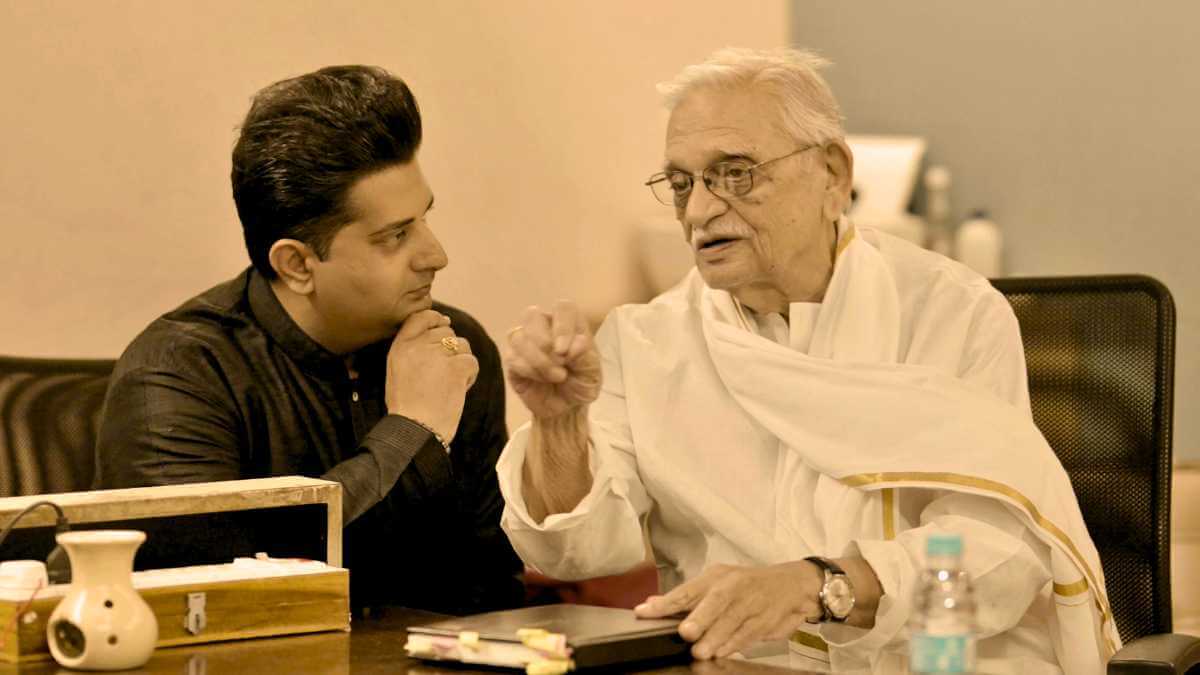
Rooted deeply in musical traditions, Sumeet Tappoo’s grounding places him in a rare category among contemporary performers. His acclaimed album ‘Dil Pareshan Karta Hai’, created with legendary lyricist Gulzar and composer Pt. Bhavdeep Jaipurwale, reaffirmed the enduring appeal of poetry-led, emotionally rich music. His collaborations over the years with artistes such as Sunidhi Chauhan, Hariharan, Shankar Mahadevan and Sadhana Sargam reflect both versatility and respect across genres. Industry observers often note that his voice carries a gravitas that could seamlessly enrich romantic and even contemporary Bollywood compositions.

That artistic credibility was strongly reinforced in 2025 when Tappoo emerged as one of the biggest winners at the CLEF Music Awards in Mumbai. Out of nine nominations, he secured four major awards in a single evening. ‘Dil Pareshan Karta Hai’ won Best Album, while his collaborative work with his mentor Anup Jalota on the album ‘Legacy’ earned honours across devotional and Sufi categories. The sweep positioned him among a small group of artistes whose work resonates across stylistic boundaries while retaining authenticity.

Yet, it is outside award ceremonies that Sumeet Tappoo’s work has had a more lasting social imprint. His recently concluded 20-city US tour titled ‘Close To My Heart’ illustrated how live music can function as a bridge between entertainment and service. Held between July and September, 2025, the tour blended timeless Bollywood classics with Tappoo’s original compositions. More importantly, the concerts were organised under the One World One Family mission, with proceeds directed towards supporting free healthcare initiatives in India.
Unlike benefit concerts that rely on scaled-down formats, Tappoo’s tour maintained full production values. He flew ten senior musicians from Mumbai, delivering performances with the finesse of major commercial shows. The difference lay in the destination of the funds raised. Ticket revenues contributed towards medical treatment and hospital support rather than profit margins, ensuring that audiences became quiet participants in a larger humanitarian effort.

The impact of this approach was acknowledged on an international stage during the tour’s closing concert in Atlanta. Sumeet Tappoo was honoured on stage by Congressman Rich McCormick with a medal and an award from the United States House of Representatives, along with an official US flag from Capitol Hill. The recognition positioned him not only as a performing artist but also as a cultural ambassador whose work extends beyond music.
This philosophy of indirect yet meaningful contribution has defined much of Tappoo’s humanitarian association. His concerts support causes that improve access to healthcare and nutrition for underprivileged children. Over time, these efforts have translated into tangible benefits for families who otherwise lack access to quality medical treatment.

Sumeet Tappoo’s connection to global humanitarian work is also deeply personal. Born in Fiji and now based in Mumbai, he serves as Chairman of the Sri Sathya Sai Sanjeevani Children’s Hospital in Fiji, the South Pacific’s first paediatric cardiac super-speciality hospital offering completely free heart surgeries. The hospital operates without billing counters, providing life-saving treatment irrespective of a family’s financial status. Since its inception, hundreds of surgeries and tens of thousands of consultations have been conducted free of charge, a scale of impact that few cultural figures can claim to support.

In recognition of this sustained contribution, Sumeet Tappoo has received some of the highest civilian and international honours in recent years. He was conferred the Companion of the Order of Fiji, the nation’s highest civilian award, in acknowledgement of his service through music and humanitarian leadership. He has also received Presidential recognition from both Fiji and the United States, along with honours from the British Parliament and global human rights organisations.

His recent European and UK tours, along with growing international collaborations, suggest that this model is finding resonance beyond Indian audiences. Whether performing poetry-driven compositions steeped in nuance or devotional pieces rooted in centuries-old verse, Tappoo’s concerts consistently carry an undercurrent of purpose. They are reminders that cultural capital, when applied thoughtfully, can create impact without spectacle.

Sumeet Tappoo has also collaborated with cricket icon Sunil Gavaskar for the One World One Family Foundation, reinforcing the mission of free paediatric heart care across continents. Their partnership blends cultural influence with service, helping amplify awareness for congenital heart disease and ensuring more children receive timely, life-saving treatment. Tappoo’s music-led fundraisers have played a key role in inspiring this collective giving.
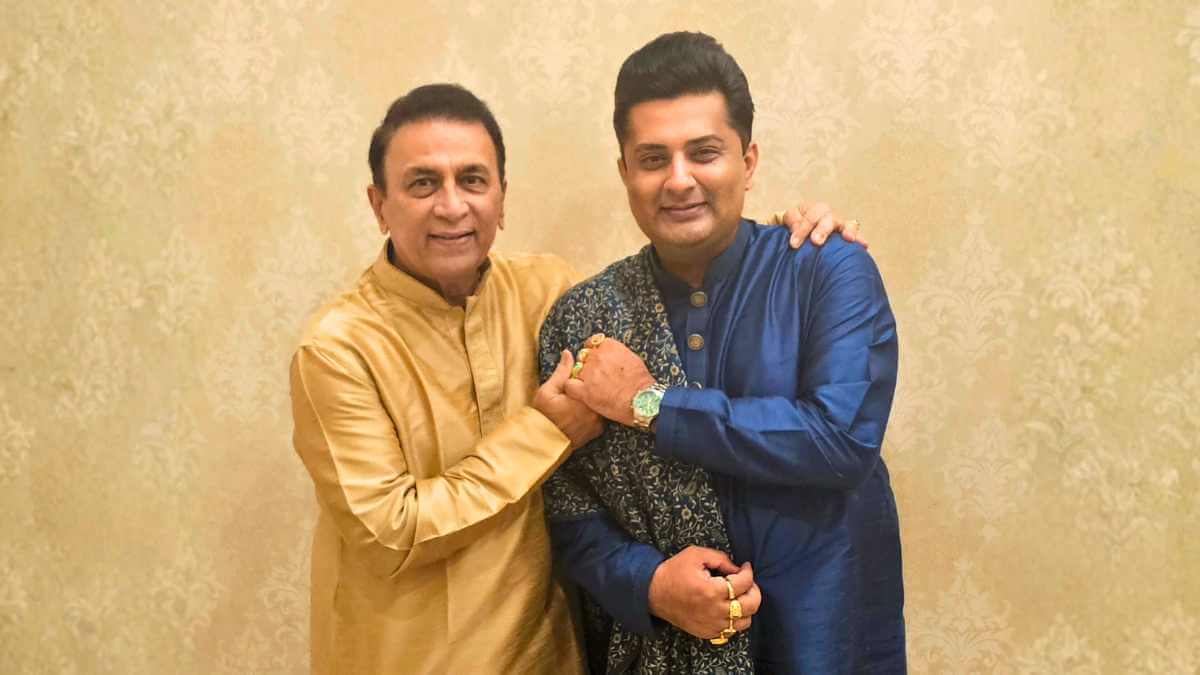
Sumeet Tappoo has also collaborated with cricket icon Sunil Gavaskar for the One World One Family Foundation, reinforcing the mission of free paediatric heart care across continents. Their partnership blends cultural influence with service, helping amplify awareness for congenital heart disease and ensuring more children receive timely, life-saving treatment. Tappoo’s music-led fundraisers have played a key role in inspiring this collective giving.

As Bollywood and global music scenes increasingly revisit depth, storytelling and emotional authenticity, artistes like Tappoo occupy a significant space. His journey demonstrates that success in music need not be divorced from responsibility. In his case, melodies do more than entertain. They quietly support hospitals, restore health, and offer dignity to lives far removed from the concert hall.

In a time when charity is often announced louder than achievement, Sumeet Tappoo’s work stands as a measured counterpoint. His shows change lives not through grand declarations, but through consistency, credibility and a belief that service and art can coexist in harmony.